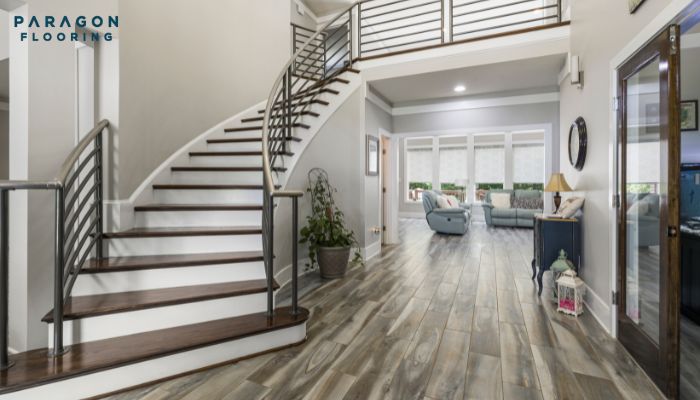
Creating inclusive and accessible public spaces has become a cornerstone of modern design. From airports and hospitals to schools, offices, and retail environments, every area must serve a diverse population of users. Flooring, while often overlooked, plays a critical role in shaping these environments. The right floors can enhance safety, provide durability, and ensure compliance with accessibility laws — while still contributing to a welcoming, aesthetically pleasing space.
This article explores how accessibility and inclusion can be achieved in public spaces through thoughtful flooring choices, with attention to safety, compliance, and long-term usability. We’ll also highlight how businesses can partner with a reliable Commercial Flooring Service in South Carolina to strike the perfect balance between function, compliance, and design.
Why Accessibility and Inclusion Matter in Public Spaces
Accessibility ensures that every individual, regardless of ability, can navigate and use a space equally. Inclusion extends this principle, ensuring that design choices not only meet technical requirements but also create an atmosphere where all users feel welcome. For flooring in public buildings, this translates to:
- Providing smooth, non-slippery surfaces that aid mobility.
- Meeting ADA (Americans with Disabilities Act) guidelines for slope, transitions, and slip resistance.
- Selecting materials that reduce noise, support orientation, and prevent fatigue.
- Supporting diverse groups, including people with visual impairments, wheelchair users, children, and elderly citizens.
When accessibility is treated as fundamental, businesses and institutions avoid costly retrofits, legal liabilities, and barriers that prevent people from using their facilities safely and comfortably.
Flooring and Accessibility: Key Design Considerations
Slip Resistance and Safety
One of the most vital functions of flooring in public spaces is preventing slips and falls. High-traffic environments, such as airports or shopping centers, are especially prone to incidents if the flooring lacks traction. Flooring options should comply with guidelines such as the ADA, ensuring slip resistance both when dry and wet.
Smooth Transitions
Public spaces often include different flooring styles across various sections, such as vinyl in corridors, carpeting in lounges, or tile near restrooms. Accessibility requires that transitions between flooring types remain flush and safe for wheelchairs, walkers, and strollers. Raised edges or unsealed joins can act as barriers and hazards.
Acoustic Support
Noise control also plays an important role in inclusion. Hard surfaces like tile can increase echo, making navigation more difficult for individuals with hearing impairments or sensory issues. By incorporating materials like carpet tiles or luxury vinyl with acoustic underlayment, designers reduce noise pollution and make spaces more comfortable.
Visual Contrast
For individuals with visual impairments, contrast in flooring is crucial. Using color differences, textured finishes, or subtle tactile cues can help users identify pathways, entrances, and hazard zones.
Flooring Types That Promote Accessibility
Vinyl Flooring
Vinyl offers a slip-resistant, durable, and low-maintenance solution, ideal for hospitals, schools, and offices. With flexible designs, it can combine contrasting colors to support wayfinding.
Carpet Tiles
Carpet tiles provide acoustic benefits and cushioning, which reduce fatigue for people who walk or stand for long hours. They are also readily replaceable, making maintenance cost-effective.
Rubber Flooring
Rubber excels in safety, particularly in gyms, healthcare, and child-focused facilities. Its cushioning reduces the risk of injury from falls while remaining slip-resistant.
Porcelain Tile with Slip-Resistant Texture
While tile offers durability and aesthetic appeal, it should always include textured finishes to avoid hazards in wet environments like lobbies or restrooms.
Regulatory Compliance and Professional Flooring Services
Public spaces must comply with building codes, including ADA guidelines that mandate flooring considerations like slip resistance, transition heights, and detectable warning systems. Architects, builders, and facility managers rely heavily on flooring service providers to ensure these requirements are met without compromising on aesthetics.
This is where a Commercial Flooring Service in South Carolina proves invaluable. Local flooring experts not only provide installation but also apply knowledge of regional regulations, durability requirements, and accessibility innovations. Having professionals manage the process streamlines compliance for architects and builders, preventing costly mistakes and reducing liability risks.
It is equally important to understand that commercial flooring standards affect architects and builders by shaping their planning and design decisions. Flooring cannot be treated as an afterthought; instead, it serves as a foundation for accessible and inclusive environments.
The Role of Flooring in Creating Inclusive Environments
A well-designed public space doesn’t just meet ADA requirements — it creates positive user experiences. Flooring contributes to inclusivity in several ways:
- Wayfinding: Textured surfaces and visual contrasts help visually impaired individuals navigate safely.
- Comfort: Ergonomic underlays reduce joint strain, benefiting everyone from staff members who stand for hours to seniors with mobility difficulties.
- Safety: Slip-resistant finishes optimize safety for children, adults, and people with disabilities alike.
- Community Feel: Flooring choices can align with community identities, making spaces more welcoming. For example, a courthouse in Greenville, South Carolina, may choose designs reflecting tradition, while a children’s hospital may select bright, cheerful vinyl flooring.
Partnering with Flooring Services for Public Projects
Whether a project involves designing a new library, university campus, or government facility, flooring specialists play a decisive role. By partnering with a trusted Commercial Flooring Service in South Carolina, businesses benefit from:
- Material recommendations tailored for accessibility.
- Installation processes that minimize disruptions to ongoing operations.
- Long-term maintenance strategies aligned with heavy-use environments.
- Guidance in blending compliance, aesthetics, and budget.
South Carolina facilities face unique challenges, such as humid climates and heavy seasonal tourism, which place extra stress on flooring systems. Professional services ensure solutions work in the long term without frequent, expensive replacements.
Case Study: Flooring in Healthcare Facilities
Hospitals are among the most demanding settings when it comes to accessibility, and flooring is absolutely central. Consider the following requirements:
- Corridors must accommodate heavy foot traffic, medical equipment, and wheelchairs without risks of tripping.
- Safety and hygiene demand flooring resistant to stains, spills, and harsh cleaning products.
- Patient well-being improves when flooring reduces noise levels and contributes to a calming atmosphere.
Vinyl and rubber flooring often shine here, providing easy-to-clean, slip-resistant, and sound-dampening qualities.
Conclusion
Accessibility and inclusion in public spaces depend significantly on flooring choices. Safety, durability, noise reduction, visual contrast, and mobility support all start at ground level. Investing in expert flooring solutions ensures compliance with accessibility laws while creating environments where all individuals feel welcome.
For institutions and businesses across the region, working with a Commercial Flooring Service in South Carolina provides the knowledge, installation expertise, and long-term planning essential for accessible environments. From hospitals and schools to shopping centers and offices, thoughtful flooring design creates the foundation of inclusion.
FAQs
1. Why is flooring so important for accessibility in public spaces?
Flooring affects safety, ease of movement, noise levels, and visual clarity. Accessible flooring ensures spaces are navigable for people of all abilities, preventing barriers or safety risks.
2. What types of flooring are most suitable for inclusive environments?
Vinyl, carpet tiles, rubber, and textured porcelain tile are excellent options. Each material offers benefits like slip resistance, acoustic support, or visual contrast for accessibility.
3. How do commercial flooring services help with compliance?
Professional flooring providers ensure installations meet ADA guidelines, state codes, and industry standards. They also recommend materials and designs that balance accessibility with function and aesthetics.
4. Do architects and builders need to follow flooring regulations?
Yes. Flooring standards guide architectural design and construction, ensuring structures are safe, compliant, and accessible to all.
5. What should I look for in a flooring service provider?
Seek a company with expertise in accessibility, regional knowledge in South Carolina, a proven installation record, and strong aftercare services to extend flooring lifespan.