.jpg)
Selecting the perfect flooring for your home or business can be challenging, especially when faced with two popular and versatile choices—vinyl flooring and laminate flooring. Both mimic natural materials like wood and stone yet differ in construction, durability, and performance. For homeowners or commercial property owners seeking a vinyl flooring installation service in South Carolina, understanding these differences can make all the difference in achieving a lasting, functional, and beautiful floor.
South Carolina’s humid subtropical climate—marked by hot summers and mild winters—demands flooring solutions that can handle moisture and temperature fluctuations. That makes it vital to comprehend how each flooring option performs under local environmental conditions before investing.
Understanding Vinyl Flooring
Vinyl flooring is a synthetic flooring material made primarily from polyvinyl chloride (PVC) combined with plasticizers and stabilizers. Modern luxury vinyl flooring products—Luxury Vinyl Plank (LVP) and Luxury Vinyl Tile (LVT)—have advanced considerably from the vinyl sheets of the past. They now feature lifelike textures that closely replicate hardwood, stone, or ceramic finishes.
Types of Vinyl Flooring:
- Luxury Vinyl Plank (LVP): Designed to mimic hardwood; available in various wood textures and colors.
- Luxury Vinyl Tile (LVT): Resembles ceramic or stone tiles with grout-like lines.
- Sheet Vinyl: Sold as large rolls, ideal for water-prone areas like kitchens or bathrooms due to minimal seams.
- Vinyl Composition Tile (VCT): Often used in commercial spaces for high durability.
Professionals offering vinyl flooring installation service in South Carolina frequently recommend luxury vinyl due to its outstanding water resistance and suitability for coastal humidity. Its wear layers provide protection from scratches, stains, and heavy foot traffic.
Understanding Laminate Flooring
Laminate flooring is a multi-layer composite product designed to emulate hardwood and stone aesthetics. It combines natural materials—mainly wood fibers—pressed together under high heat with a protective top layer.
Main Layers of Laminate Flooring:
- Wear layer: A clear protective coating that resists scratches, fading, and stains.
- Decorative layer: A high-resolution photographic image mimicking wood or stone textures.
- Core layer: Made of high-density fiberboard (HDF) for structural strength.
- Backing layer: Provides moisture resistance and stability.
Laminate flooring’s hallmark is its affordability and realistic wood appearance. However, it’s not entirely waterproof—excess moisture can cause warping or swelling. For this reason, it’s best suited to dry, temperature-controlled areas such as bedrooms and living rooms.
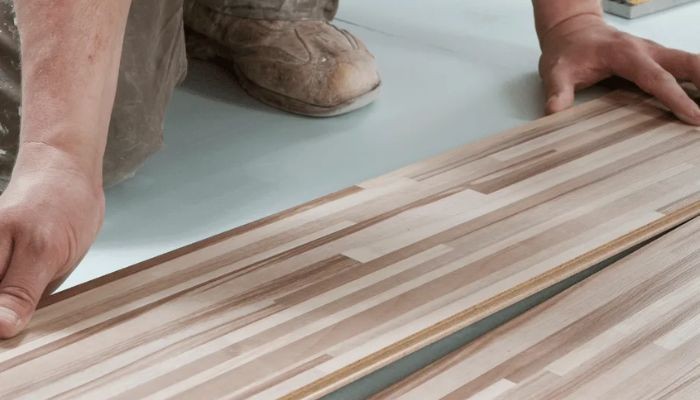
Construction Differences
The primary distinction lies in the core composition—vinyl is made from polymers, whereas laminate has a wood-based core. This affects water resistance, flexibility, and durability.
| Feature | Vinyl Flooring | Laminate Flooring |
|---|---|---|
| Core Material | PVC (synthetic) | HDF (wood-based) |
| Water Resistance | Fully waterproof | Moderately water-resistant |
| Feel Underfoot | Soft, slightly cushioned | Firm, solid feel |
| Thickness | 2–8 mm | 6–12 mm |
| Temperature Resistance | Excellent | Moderate |
| Surface Finish | Textured or smooth; waterproof | Textured; water-sensitive |
In essence, vinyl flooring thrives in humid conditions and wet zones, whereas laminate demands a controlled indoor climate. This makes vinyl an ideal choice for South Carolina’s varying humidity levels.
Aesthetic Appeal and Design Variety
Advancements in printing technology have allowed both vinyl and laminate flooring to offer stunning realism in design. However, there are subtle differences in visual appeal and texture.
Vinyl Flooring:
- Features high-definition photographic layers and embossed textures.
- Comes in wood, stone, and ceramic looks.
- Offers more varieties in color tone and plank width.
- Maintains appearance under prolonged sunlight without fading.
Laminate Flooring:
- Also uses detailed photographic designs to imitate wood grains.
- The thicker boards provide an authentic wood feel.
- Offers sharp, high-contrast looks ideal for contemporary interiors.
For interior design projects emphasizing realistic wood patterns with moisture-resistance, vinyl is a reliable option. Laminate is better suited for areas emphasizing warmth and character, such as living spaces or home offices.
Installation Process
Both vinyl and laminate flooring can be professionally or DIY-installed, though vinyl flooring tends to offer more flexibility in placement areas.
Vinyl Flooring Installation:
- Installation options include glue-down, peel-and-stick, or floating (click-lock) methods.
- Works on a variety of subfloors, including concrete, plywood, and existing tile.
- Can be installed in basements, kitchens, and bathrooms.
- Minimal preparation needed due to its thin flexible nature.
Laminate Flooring Installation:
- Typically uses a click-lock floating floor method over a foam underlayment.
- Requires subfloors to be flat, clean, and moisture-free.
- Not recommended for bathrooms or laundry rooms.
Professionals providing vinyl flooring installation service in South Carolina ensure perfect leveling, watertight fitting, and finish—enhancing the product’s durability and aesthetic.
Durability and Longevity
Durability often determines flooring value over time. Here’s how both options compare:
Vinyl Flooring:
- Lifespan of 15–25 years depending on quality and maintenance.
- Completely waterproof, making it resistant to spills, moisture, and humidity.
- Can handle heavy foot traffic and pet activity.
- Resilient against scratches and dents due to its layered structure.
Laminate Flooring:
- Lifespan of 10–20 years depending on use.
- Resistant to scratches and stains, thanks to its durable wear layer.
- Not fully waterproof—prolonged exposure to water can cause damage.
Given South Carolina’s humidity and occasional flooding risk in coastal areas, vinyl flooring consistently outlasts laminate. Its waterproof characteristic ensures minimal maintenance or repairs over time.
Comfort and Acoustics
Comfort underfoot and sound insulation vary between materials.
- Vinyl Flooring: Softer and slightly warmer to walk on. It absorbs sound effectively, making it great for multi-level homes or offices.
- Laminate Flooring: Feels firmer and can produce a hollow sound when walked on unless fitted with a soundproof underlayment.
Adding underlayment enhances insulation and comfort in both. However, vinyl provides natural quietness and a cushioned experience ideal for high-traffic areas.
Maintenance and Cleaning
Maintenance plays a critical role in floor longevity.
Vinyl Flooring Maintenance:
- Vacuum or sweep regularly to remove debris.
- Use a damp mop with mild cleaning solutions.
- Avoid harsh chemicals or abrasive tools.
Laminate Flooring Maintenance:
- Sweep or vacuum frequently.
- Use a microfiber mop; avoid standing water.
- Clean spills immediately to prevent staining or swelling.
Vinyl flooring’s waterproof design significantly reduces maintenance concerns. Laminate, while easy to clean, demands more cautious care around moisture.
Environmental and Health Considerations
Sustainability and indoor air quality matter for many homeowners today.
Vinyl Flooring:
- Made from synthetic PVC materials, though newer variants are more eco-friendly.
- Available in low-VOC (Volatile Organic Compounds) options, ensuring healthier indoor air.
- Recyclable options growing in availability.
Laminate Flooring:
- Uses recycled wood fibers, making it eco-conscious.
- Some adhesives and finishes release VOCs, so low-emission certificates should be verified.
For eco-sensitive homeowners, environmentally certified flooring with air-quality seals (like GREENGUARD or FloorScore) should be prioritized.
Cost Comparison
Cost remains a key deciding factor for any flooring project.
| Cost Factor | Vinyl Flooring | Laminate Flooring |
|---|---|---|
| Material Cost | $2–$6 per sq. ft. | $1.50–$5 per sq. ft. |
| Installation (Professional) | $2–$4 per sq. ft. | $2–$3 per sq. ft. |
| Total Average | $4–$10 per sq. ft. | $3.50–$8 per sq. ft. |
For those seeking value without compromising durability, vinyl flooring offers a compelling long-term return—especially when installed professionally through a vinyl flooring installation service in South Carolina.
Pros and Cons Summary
Vinyl Flooring Pros:
- 100% waterproof
- Easy to clean and maintain
- Ideal for humid and wet areas
- Softer and quieter underfoot
- Wide design options
Vinyl Flooring Cons:
- Can dent under heavy furniture
- Less eco-friendly than wood options
- May require subfloor preparation
Laminate Flooring Pros:
- Excellent scratch and fade resistance
- Affordable hardwood look
- DIY-friendly installation
- Consistent plank thickness
Laminate Flooring Cons:
- Not waterproof
- Can feel colder and louder
- Sensitive to humidity changes
Ideal Applications for South Carolina Homes
Given South Carolina’s climate, vinyl flooring tends to outperform laminate in versatility and durability. Its waterproof qualities make it perfect for:
- Kitchens and bathrooms
- Basements and laundry areas
- Entryways and hallways
- Coastal homes exposed to humidity
Laminate flooring, while beautiful, is better reserved for spaces like:
- Bedrooms
- Living rooms
- Offices
- Dining rooms
Hiring a professional vinyl flooring installation service in South Carolina ensures each plank is expertly placed with proper adhesives or click-lock sealing. This prevents warping, enhances durability, and maintains the floor’s aesthetic integrity.
Tips for Long-Term Maintenance
Vinyl Flooring:
- Place mats near entrances to reduce dirt.
- Use soft felt pads under heavy furniture.
- Clean weekly to avoid buildup of debris.
Laminate Flooring:
- Control indoor humidity (30–50%) to prevent expansion.
- Never allow standing water on the surface.
- Recoat with laminate sealants occasionally to extend shine.
Proper maintenance guarantees prolonged life and preserved beauty regardless of type.
FAQs
1. Which is more water-resistant: vinyl or laminate flooring?
Vinyl flooring is completely waterproof, while laminate flooring is only water-resistant. Vinyl is the obvious choice in humid or wet areas.
2. Can vinyl flooring look as good as hardwood?
Yes. High-quality luxury vinyl planks emulate real hardwood so closely that many homeowners can't tell the difference, especially with textured finishes.
3. How long does vinyl flooring last compared to laminate?
Vinyl typically lasts 20–25 years, while laminate offers 10–20 years depending on care and moisture exposure.
4. Which flooring is best for homes with pets?
Vinyl flooring. It’s scratch-resistant, waterproof, and comfortable for pets to walk on.
5. Is laminate flooring safe for indoor air?
Modern laminate flooring made with low-VOC adhesives is considered safe; however, buyers should confirm safety certifications before purchase.
6. What’s the installation cost of vinyl flooring in South Carolina?
Professional vinyl flooring installation service in South Carolina ranges between $4 and $8 per square foot depending on material type and project size.
7. Can vinyl or laminate be installed over tile or existing floors?
Both can be installed over existing floors if the surface is level, clean, and stable.
8. Which is easier to repair if damaged?
Vinyl flooring allows quick plank replacement. Laminate is harder to repair since water-damaged planks usually need full replacement.
9. How do I maintain laminate flooring safely?
Stick to dry or slightly damp cleaning, avoid steam mops, and immediately clean spills.
10. Does either type affect resale value?
Yes. Both enhance aesthetic appeal, but luxury vinyl’s waterproof quality is increasingly valued by modern buyers, particularly in humid regions.
Final Thoughts
Choosing between vinyl and laminate flooring depends on your property’s environment, functionality requirements, and design preferences. Both offer excellent value compared to hardwood or stone, but their suitability varies.
For humid regions like South Carolina, vinyl flooring remains the superior option thanks to its waterproof features, comfort, and resilience under temperature changes. It’s ideal for family homes, rental properties, and commercial spaces seeking long-term returns with minimal upkeep.
Meanwhile, laminate flooring provides a warm, affordable aesthetic ideal for drier areas or rooms where water exposure is minimal.
If you’re considering your next flooring renovation, consult a professional vinyl flooring installation service in South Carolina. Expert installation ensures durability, seamless appearance, and maximum performance—delivering a flawless finish that stands up to time, climate, and lifestyle demands.