
PARAGON FLOORING · ARTICLES
How commercial flooring standards affect architects and builders
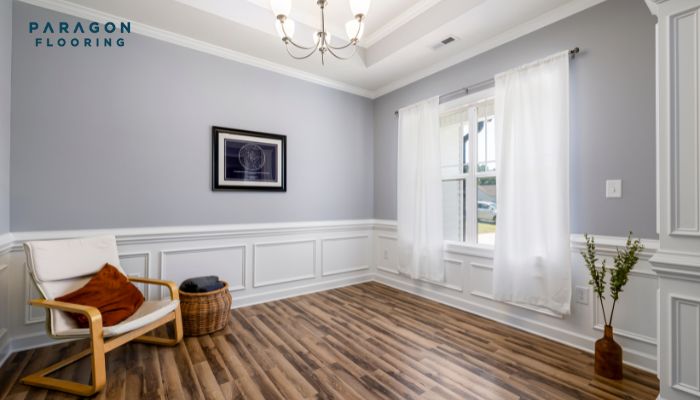
In the world of construction, flooring is far more than a surface people walk upon. For architects and builders, flooring plays an integral role in shaping the durability, safety, and overall design of a project. The choice isn’t only about aesthetics—it’s equally about meeting commercial flooring standards that impact functionality, long-term resilience, and compliance with local regulations.
When it comes to projects across the United States, compliance with flooring standards ensures that buildings are safe, accessible, and efficient. For those working in the Southeast, especially when partnering with a Commercial Flooring Service in South Carolina, understanding these standards becomes essential. Architects and builders must align their design philosophies with practical standards to avoid costly mistakes, delays, or compliance issues.
This article dives deep into how flooring standards affect the decision-making process for architects and builders, exploring safety regulations, sustainability, performance, and design impacts. We’ll also touch on Flooring Installation Services in South Carolina, demonstrating how professional partnerships streamline compliance and elevate results.
Why Flooring Standards Matter in Commercial Construction
Flooring standards aren’t arbitrary—they are carefully developed guidelines that ensure safety, performance, and usability. Here’s why they are vital for construction professionals:
- Regulatory Compliance
Building codes in South Carolina and across the U.S. require adherence to safety and performance standards. Non-compliance can lead to legal penalties, failed inspections, and costly project delays. - Safety First
Slip resistance, fire ratings, and load-bearing capacities are specified in most markets. Builders and architects must integrate these requirements to protect the end-users. - Design Integrity
Flooring contributes to acoustic quality, aesthetic appeal, and energy efficiency. Architects must work within standards without compromising on their vision. - Durability and Maintenance
Flooring chosen for a hospital or a retail showroom must meet performance demands for years. Incorrect choices can result in premature wear or expensive replacements. - Sustainability
Modern standards often integrate sustainability requirements such as using recyclable materials and reducing VOC emissions.
Key Flooring Standards That Influence Architects and Builders
Here are some specific commercial flooring standards and guidelines that architects and builders must understand before choosing materials or installation methods:
ASTM Standards
The American Society for Testing and Materials sets test methods and specifications for flooring materials like vinyl, carpet, hardwood, and tile. These standards ensure load-bearing ability, wear resistance, and safety features.
ADA Accessibility Guidelines
Compliance with the Americans with Disabilities Act (ADA) is crucial. Flooring must accommodate wheelchair mobility, feature correct slip resistance, and avoid uneven surfaces.
Fire Safety Standards
Flooring must meet ASTM E648 (Critical Radiant Flux) and ASTM E662 (smoke density) requirements, especially in public buildings and corridors.
Indoor Air Quality Standards
Flooring materials must adhere to low VOC emissions, often checked under standards such as CARB Phase 2 or FloorScore certification. This is particularly important in healthcare and educational facilities.
LEED Certification Standards
Sustainability is now a priority. Flooring choices that meet Leadership in Energy and Environmental Design (LEED) criteria can contribute to a building’s green certification.
How Flooring Standards Affect Architects
Architects are often the first professionals to conceptualize a project. Flooring standards impact their work in the following ways:
- Design Constraints: While an architect may envision glossy tiles for a lobby, regulations on slip resistance may require a matte finish.
- Material Specifications: Architects must select flooring materials that comply with fire, strength, and accessibility laws.
- Documentation and Approval: Standard-compliant flooring makes it easier to receive regulatory approval during the design and permitting phase.
- Balancing Form and Function: Architects must create beautiful floor designs without sacrificing compliance.
Example: In a healthcare facility, architects may want to design seamless transitions, but ADA guidelines require specific slopes and textures to reduce slip hazards. The solution is to select specialty flooring materials designed for healthcare while complying with the ADA.
How Standards Affect Builders
Builders, unlike architects, deal with the physical execution of flooring standards. For them:
- Installation Compliance: Flooring must be installed per manufacturer and safety standards. For example, improper adhesive use can compromise fire safety.
- Inspection & Liability: Builders are often inspected for compliance. Failure to meet flooring standards can mean liability for damages or injury.
- Efficiency in Execution: Standards force builders to follow specific procedures, which sometimes extend the timeline but ensure long-lasting results.
- Collaboration: Builders often rely on specialized experts offering Flooring Installation Services in South Carolina to ensure flawless execution that meets standards.
The South Carolina Perspective: Why Standards Matter Locally
South Carolina has a booming commercial construction sector, with projects including offices, healthcare, educational institutions, and hospitality ventures. For any project, choosing a Commercial Flooring Service in South Carolina ensures local codes and building practices are followed.
Local flooring installations must consider:
- Humidity and Climate: Materials must withstand South Carolina’s humid subtropical climate. Moisture resistance is critical to prevent warping or mold.
- Regional Building Codes: South Carolina follows the International Building Code (IBC) but also has state-specific amendments architects and builders need to comply with.
- Market Demands: For retail and hospitality projects common in cities like Charleston and Greenville, aesthetically appealing yet durable flooring is a must.
Benefits of Partnering With Professional Flooring Services in South Carolina
- Expert Knowledge of Standards
A commercial flooring contractor handles compliance checks, ensuring you avoid design or installation errors. - Quality Material Selection
Providers know which flooring solutions are suited for climate, building type, and performance. - Time and Cost Efficiency
Correct installation the first time avoids costly repairs or penalties. - Long-Term Durability
Trusted Flooring Installation Services in South Carolina emphasize maintenance-friendly flooring, increasing the lifespan of commercial spaces.
Common Mistakes Architects and Builders Make with Flooring Standards
- Overlooking ADA compliance for flooring slope and textures
- Selecting flooring that isn’t suitable for local humidity levels
- Ignoring acoustic performance standards in open-office spaces
- Using budget adhesives or shortcuts during installation that compromise long-term performance
- Not partnering with licensed flooring experts
Best Practices for Flooring Decisions
- Early Collaboration: Architects and builders should consult flooring contractors in the design phase.
- Material Testing: Always demand product certifications to verify compliance.
- Documentation: Ensure all flooring design, installation, and maintenance guidelines are documented for regulatory checks.
- Future-Proofing: Choose materials that comply with both current and upcoming sustainability regulations.
Frequently Asked Questions (FAQs)
Why should I hire a Commercial Flooring Service in South Carolina instead of managing flooring in-house?
Hiring professional services ensures compliance with South Carolina’s unique building codes, guarantees quality installation, and saves time and money in the long run.
What flooring materials best comply with standards for commercial spaces?
It depends on the industry. For healthcare, seamless vinyl or rubber flooring is popular. For retail, ceramic tile and luxury vinyl tile (LVT) balance durability and aesthetics.
How do Flooring Installation Services in South Carolina ensure compliance with ADA guidelines?
They measure slopes, ensure non-slip textures, and confirm flooring transitions meet accessibility laws.
Do flooring standards affect building permits in South Carolina?
Yes. Non-compliant flooring materials or installation can delay or even deny permits and approvals.
How does climate affect flooring choices in South Carolina?
Humidity can damage certain wood and carpet materials. Professionals often recommend LVT or sealed concrete for durability in South Carolina’s conditions.
Conclusion
Flooring may seem like a final design step, but for architects and builders, it is a critical foundation for safe, compliant, and efficient spaces. Meeting commercial flooring standards ensures regulatory compliance, durability, and usability, while also creating aesthetically appealing environments.
For construction projects in South Carolina, partnering with experts offering Commercial Flooring Service in South Carolina or licensed Flooring Installation Services in South Carolina is not optional—it’s essential. These specialists ensure materials, designs, and installations align seamlessly with both national and local standards.