
PARAGON FLOORING · ARTICLES
Residential and Commercial Sheet Flooring: What's the Difference?
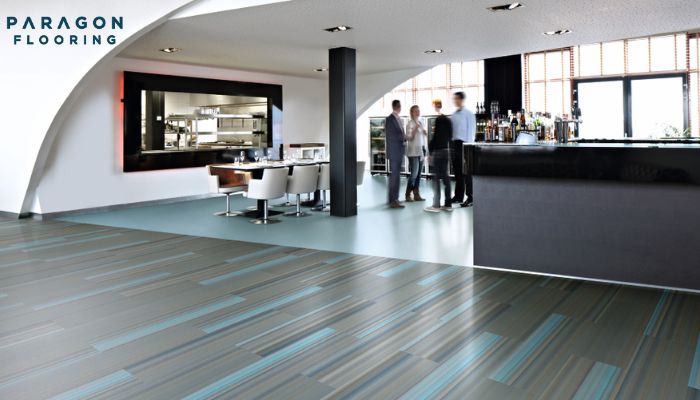
When it comes to flooring, sheet vinyl has become a popular choice in both residential and commercial settings. It is durable, cost-effective, and comes in a wide variety of styles and finishes. However, the requirements and performance expectations for sheet flooring differ significantly between residential and commercial applications. Understanding these differences can help homeowners and business owners make informed decisions when choosing a flooring solution.
In this article, we’ll explore the differences between residential and commercial sheet flooring, how each is installed, and what you need to consider before hiring a residential flooring installation service in South Carolina or a commercial flooring service in South Carolina.
What is Sheet Flooring?
Sheet flooring, often made from vinyl or linoleum, is a type of resilient flooring material that comes in large, continuous rolls. Unlike tile or plank flooring, sheet flooring minimizes seams, making it an excellent choice for areas prone to moisture, dirt, or heavy foot traffic.
The advantages of sheet flooring include:
- Water resistance
- Easy maintenance
- Affordability
- Versatility in design
- Comfort underfoot
Both residential and commercial sheet flooring options are made from similar materials, but they differ significantly in terms of construction, durability, and application.
Key Differences Between Residential and Commercial Sheet Flooring
1. Durability and Wear Layer
The most notable difference between residential and commercial sheet flooring lies in the durability and thickness of the wear layer.
Residential Sheet Flooring:
Designed for moderate foot traffic and lighter usage, residential sheet flooring typically features a wear layer thickness of 10 to 20 mils. This is suitable for homes where the flooring is exposed to children, pets, spills, and everyday movement, but not the constant pressure of heavy machinery or hundreds of people.
Commercial Sheet Flooring:
Commercial spaces experience higher levels of foot traffic, impact, and potential wear. As a result, commercial sheet flooring usually has a thicker wear layer, ranging from 20 to 40 mils or more. These floors are often reinforced with additional materials for slip resistance, puncture resistance, and chemical resistance, depending on the industry.
2. Design and Aesthetic Options
Residential Flooring:
Residential sheet flooring places a strong emphasis on aesthetic appeal. Homeowners want flooring that complements their interior decor, and manufacturers cater to this demand by offering a wide range of colors, patterns, and textures—such as wood, stone, or tile visuals.
Commercial Flooring:
While design is still important in commercial spaces, functionality often takes precedence. Commercial sheet flooring tends to offer more neutral tones, patterns that hide dirt or scuff marks, and surface textures designed for safety rather than style. However, high-end commercial spaces such as hotels or office lobbies may still opt for stylish, upscale designs.
3. Installation Requirements
Residential Installation:
Residential sheet flooring is generally easier and quicker to install. It may be glued down or loose-laid, depending on the product and subfloor. Homeowners hiring a residential flooring installation service in South Carolina will find that installation is usually completed within a day or two for most rooms.
Commercial Installation:
Commercial installations are more complex. They often require special adhesives, heat welding for seams, and floor preparation that meets stringent building codes. The installation process is typically more time-consuming and may involve coordination with other contractors, especially in new builds or large-scale renovations. Businesses using a commercial flooring service in South Carolina can expect a more intensive installation process to ensure long-term performance and safety compliance.
4. Maintenance and Cleaning
Residential Sheet Flooring:
Residential flooring is generally low maintenance. Regular sweeping and occasional mopping with a mild cleaner will keep floors looking good. However, homeowners must avoid harsh chemicals that can damage the wear layer.
Commercial Sheet Flooring:
Commercial floors are designed for easy maintenance under harsh conditions. They often feature enhanced coatings that resist scuffing, staining, and heavy foot traffic. These floors may also be compatible with industrial cleaners and scrubbers, making them ideal for environments like hospitals, schools, or retail stores.
5. Cost Considerations
Residential Flooring Costs:
Residential sheet flooring is more budget-friendly due to its simpler design and lower wear layer. Installation costs are also lower because of reduced labor intensity.
Commercial Flooring Costs:
Commercial sheet flooring has a higher upfront cost due to its enhanced durability, specialized installation, and compliance with commercial-grade standards. However, the long-term return on investment is higher due to its extended lifespan and lower maintenance costs.
Common Applications
Understanding where each type of sheet flooring is best used can guide your selection process.
Residential Applications:
- Kitchens
- Bathrooms
- Laundry rooms
- Basements
- Living areas (in moisture-prone climates)
Commercial Applications:
- Healthcare facilities
- Retail stores
- Educational institutions
- Office buildings
- Hospitality venues
- Industrial warehouses
Each of these settings places different demands on flooring in terms of hygiene, durability, and safety.
Why Choose a Professional Flooring Service?
While DIY flooring might seem like a cost-saving option, improper installation can lead to bubbling, seam separation, or reduced lifespan of the floor. Working with a professional residential flooring installation service in South Carolina or commercial flooring service in South Carolina ensures that your flooring is installed correctly, meets local building codes, and is covered under warranty.
Professionals can also help assess subfloor conditions, recommend appropriate materials, and advise on maintenance practices to prolong the life of your investment.
Choosing the Right Flooring for Your Needs
When selecting between residential and commercial sheet flooring, consider the following:
- Traffic levels: How many people use the space daily?
- Exposure to moisture: Is the area prone to spills or humidity?
- Aesthetic preferences: Do you prioritize design or functionality?
- Budget constraints: Are you looking for long-term durability or short-term affordability?
- Safety requirements: Will slip resistance or fire ratings be necessary?
Consulting with a flooring expert will help align your needs with the right product.
Frequently Asked Questions
What is the lifespan of residential vs. commercial sheet flooring?
Residential sheet flooring typically lasts 10 to 15 years with proper care. Commercial sheet flooring, due to its robust construction, can last 15 to 25 years or more, depending on the environment and maintenance.
Can commercial sheet flooring be used in homes?
Yes, commercial flooring can be used in homes, especially in high-traffic areas or rental properties. However, it may have a firmer underfoot feel and less decorative variety.
Is there a difference in warranty between the two types?
Yes. Residential flooring usually comes with a 10-15 year limited warranty. Commercial products often come with 15-25 year warranties but may include performance clauses depending on traffic levels and maintenance.
Do both types of sheet flooring require professional installation?
While DIY installation is possible for residential sheet flooring, professional installation is recommended for both types to ensure proper adhesion, seam sealing, and longevity.
How long does installation take?
For residential projects, installation may take 1-2 days per room. Commercial installations can take several days to weeks depending on the size and complexity of the space.
What is the best flooring for a home-based business?
For home-based businesses with moderate foot traffic, a hybrid approach may be best. Opting for commercial-grade sheet flooring in specific areas can provide the durability needed without sacrificing the comfort and style of residential options elsewhere.
Final Thoughts
Choosing the right sheet flooring requires a clear understanding of your space, usage needs, and aesthetic preferences. Whether you're remodeling a home or outfitting a commercial facility, selecting the right flooring product can make a significant difference in comfort, safety, and long-term performance.
By partnering with an experienced residential flooring installation service in South Carolina or a trusted commercial flooring service in South Carolina, you can ensure your flooring is not only visually appealing but also built to last.
Remember, flooring is an investment that impacts the value and functionality of your property. Making informed decisions backed by expert advice will save you time, money, and hassle in the long run.
Phone: +1 843-580-6710
Email: info@paragonflooringsc.com
Stay Connected on facebook to Know More .